Hospitality Beyond Borders
The Kalash Valley Festivals: Pakistan’s Most Extraordinary Cultural Celebrations
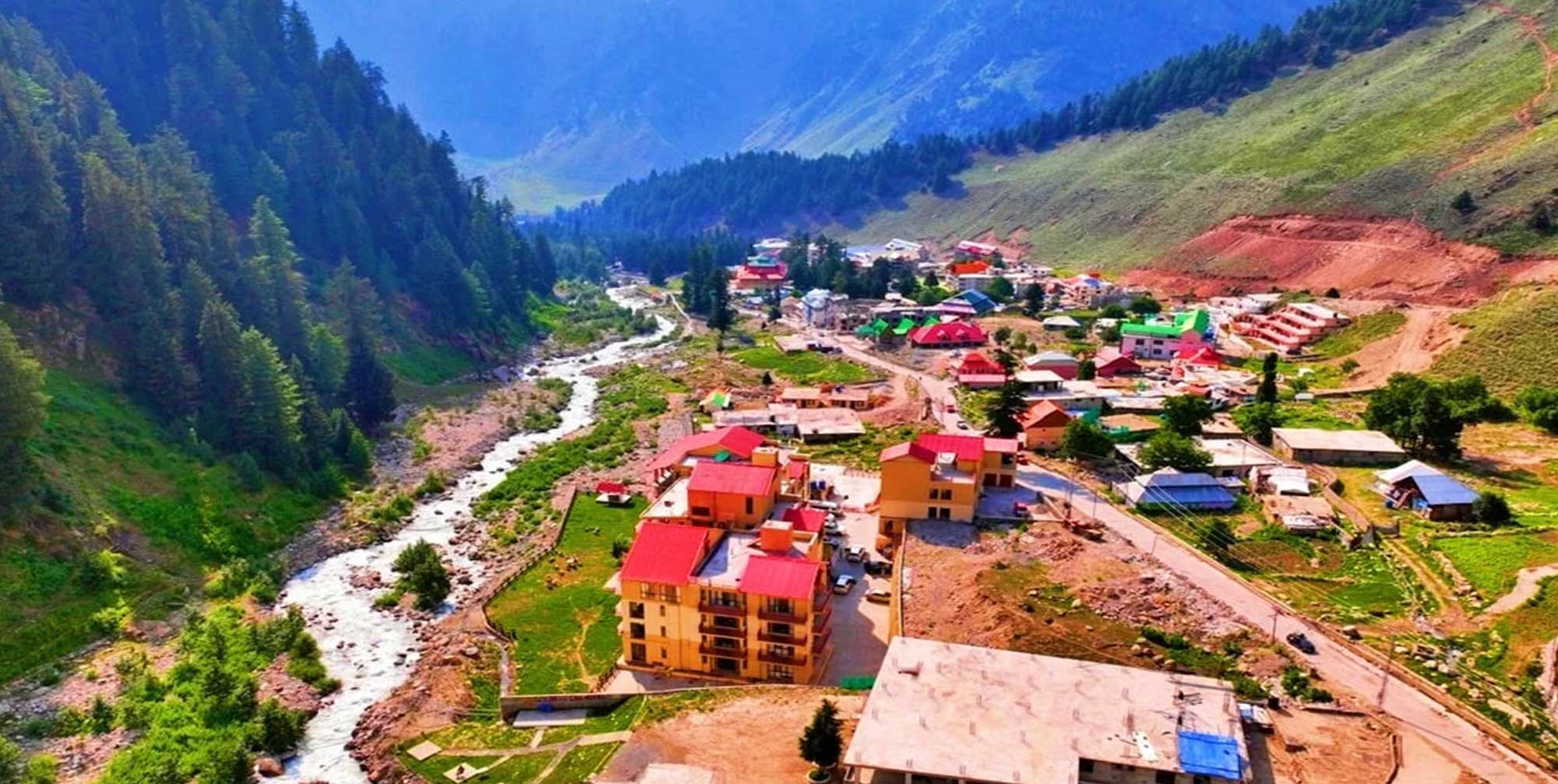
Hidden deep within the rugged mountains of the Hindu Kush in northern Pakistan lies one of the world’s most fascinating indigenous cultures — the Kalasha people of the Kalash Valleys in Chitral. Surrounded by dramatic peaks, cedar forests, and crystal-clear streams, the valleys of Bumburet, Rumbur, and Birir come alive several times a year with vibrant festivals filled with music, dance, rituals, and centuries-old traditions.
The Kalash festivals are not merely tourist attractions; they are sacred seasonal celebrations deeply tied to nature, agriculture, spirituality, and community life. These festivals offer a rare glimpse into one of South Asia’s oldest surviving indigenous belief systems and cultural traditions.
Today, the Kalash festivals are among the most unique cultural experiences in Pakistan and attract visitors from around the world.
Who Are the Kalash People?
The Kalasha are a small indigenous community living in the remote valleys of Upper Chitral in Khyber Pakhtunkhwa. Known for their distinctive traditions, colorful attire, polyphonic music, and ancient animistic belief system, they are culturally distinct from surrounding communities.
The Kalash community primarily resides in three valleys:
- Bumburet Valley
- Rumbur Valley
- Birir Valley
Their culture was recognized by UNESCO as Intangible Cultural Heritage in 2018 and most recently in April 2026 the Kalash Valleys were added to the UNESCO World Heritage Tentative List.
The Kalash celebrate several seasonal festivals throughout the year, each representing a different phase of life, harvest, livestock movement, or seasonal transition.
The Three Major Kalash Festivals
1. Chilam Joshi Festival — The Spring Festival
The most famous and widely attended Kalash festival is the Chilam Joshi Festival, also known as the Kalash Spring Festival. Celebrated every May, it marks the arrival of spring after the harsh winter months.
Traditionally held from May 13 to May 16, the festival symbolizes fertility, prosperity, and gratitude for nature’s blessings.
Key Rituals and Traditions
The festival begins with “Milk Day,” during which milk collected and preserved over several days is offered ceremonially to deities and shared among the community.
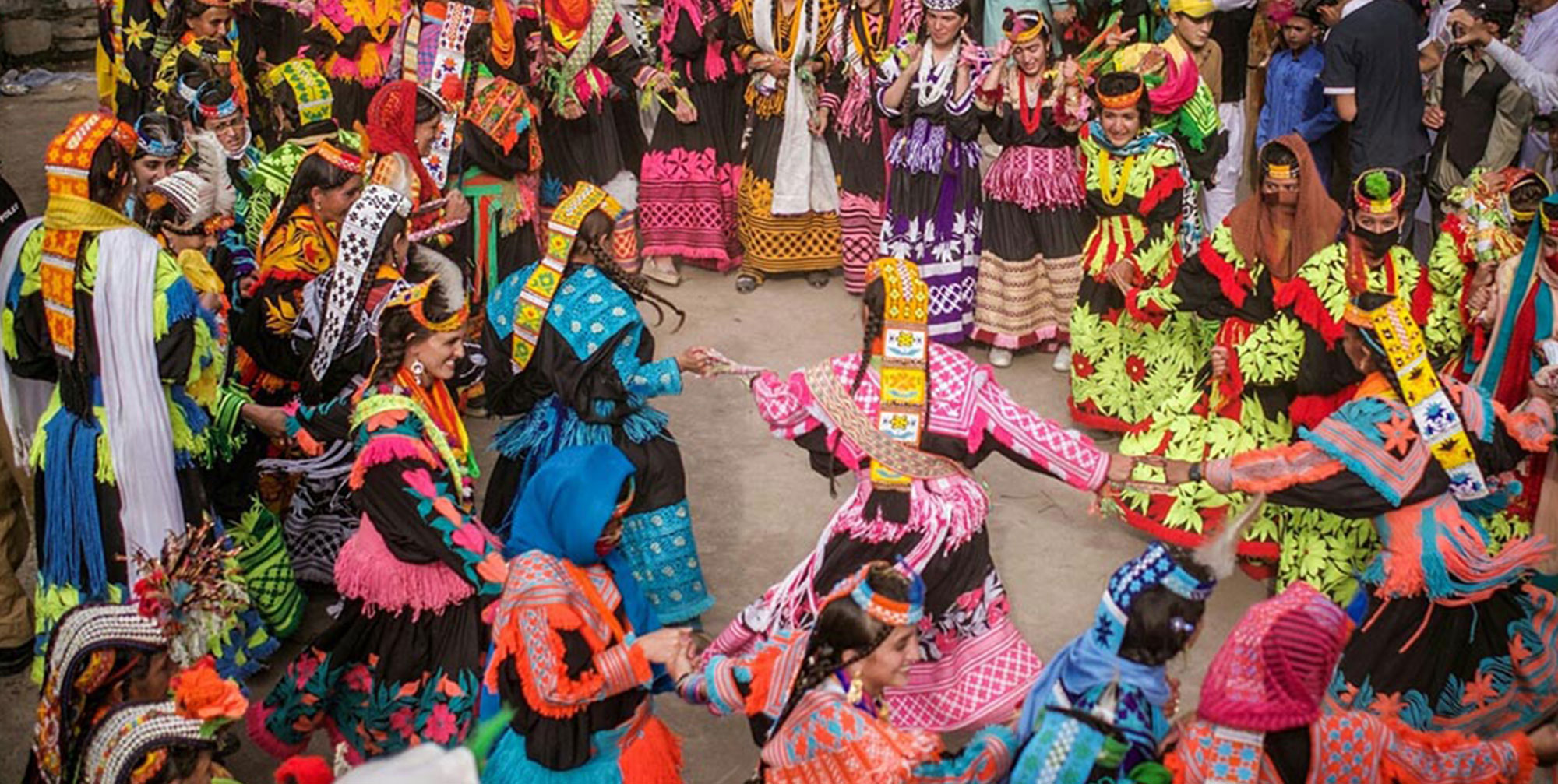
Women wear elaborately embroidered black dresses adorned with vibrant beads, shells, and traditional headdresses. Men and women form circles, singing and dancing rhythmically to drumbeats that echo across the valleys.
Historically, Chilam Joshi also served as a social gathering where young men and women could choose prospective marriage partners.
Best Valley for Visitors
While celebrations occur in all three valleys, Bumburet Valley is the most accessible and attracts the largest number of domestic and international tourists.
2. Uchal Festival — The Summer Harvest Festival
The Uchal Festival is celebrated during late summer, usually in August, after the wheat and barley harvest season. This festival is essentially a thanksgiving celebration dedicated to agricultural abundance and livestock prosperity.
Unlike the larger tourist-oriented Chilam Joshi celebrations, Uchal feels more intimate and community-centered.
Festival Highlights
During Uchal:
- Villagers prepare traditional foods using fresh grains and dairy products.
- Families gather for communal feasts.
- Folk songs and storytelling sessions continue late into the night.
- Ritual dances celebrate successful harvests and seasonal migration to alpine pastures.
The atmosphere is deeply spiritual and joyful, reflecting the Kalash relationship with nature and seasonal cycles.
3. Choimus Festival — The Winter Solstice Festival
The Choimus Festival, celebrated in December, is the most sacred and spiritually significant Kalash festival. It marks the winter solstice and the end of the agricultural year.
Traditionally lasting nearly two weeks, Choimus involves purification rituals, prayers, ceremonial fires, feasts, and dances performed to welcome the coming year.
Spiritual Importance
The festival includes:
- Ritual cleansing ceremonies
- Sacred offerings
- Seasonal prayers for protection and prosperity
- Traditional dances around bonfires
- Singing ancient hymns and oral histories
Because of its spiritual significance, some rituals are private and inaccessible to outsiders.
Snow-covered valleys, smoke rising from wooden homes, and torch-lit ceremonies create a mystical atmosphere unlike any other cultural celebration in Pakistan.
Traditional Kalash Dress and Music
One of the most striking features of the Kalash festivals is the traditional attire worn by women.
Kalash women wear black woolen robes richly decorated with colorful embroidery, cowrie shells, beads, and handcrafted jewelry. Their iconic headdresses, known as “Susut” or “Kupas,” are adorned with shells, buttons, and beads cascading down the back.
Music plays a central role during every festival. Drums, chants, and collective dances form the heartbeat of Kalash celebrations. Songs often recount myths, ancestors, seasonal transitions, and heroic tales passed orally through generations.
Tourism and Cultural Preservation
Over the past two decades, the Kalash festivals have gained international attention, becoming one of Pakistan’s premier cultural tourism attractions.
However, increasing tourism has also raised concerns about cultural sensitivity, privacy, commercialization, and preservation of indigenous traditions.
Responsible visitors should:
- Always ask permission before photographing people.
- Dress modestly and respectfully.
- Avoid intrusive behavior during rituals.
- Respect sacred spaces and local customs.
- Support local businesses and handicrafts.
Sustainable tourism can play a valuable role in helping preserve Kalash heritage while supporting local livelihoods.
Best Time to Visit the Kalash Valleys
Each festival offers a completely different experience:
Festival Season Typical Month Experience Chilam Joshi Spring May Colorful dances, social celebrations, blooming valleys Uchal Summer August Harvest traditions, community feasts Choimus Winter December Sacred rituals, winter atmosphere, spiritual ceremoniesFor first-time travelers, Chilam Joshi is generally considered the best introduction to Kalash culture due to its vibrant public celebrations and accessibility.
How to Reach the Kalash Valleys
The Kalash Valleys are accessible via Chitral.
Most travelers reach Chitral either by:
- Flights from Islamabad, subject to weather conditions.
- Road travel through the scenic Lowari Tunnel route.
The Kalash Valleys are usually accessible by 4WD being off-road destinations.
Why the Kalash Festivals Matter
In an increasingly globalized world, the Kalash festivals remain a rare example of living indigenous heritage that continues to survive through oral tradition, communal participation, and deep spiritual connection to nature.
These celebrations are not staged performances; they are expressions of identity, continuity, and resilience. Visiting the Kalash Valleys during festival season is therefore not only a cultural journey but also an opportunity to witness one of the world’s most extraordinary surviving mountain civilizations.
For travelers seeking authenticity, heritage, music, ritual, and breathtaking mountain scenery, the Kalash festivals offer an unforgettable experience unlike anywhere else in Pakistan.
Contact
Please contact us at info@pearltours.com.pk for more details and bookings.